
Travel Code Guide
Did you know about Travel Code Guide: Friendly Guide, if yes then this article is for you. We will be discussing. Read on for more.
New locations, delicious food, and diverse cultures make travel seem magical, but every fantastic vacation has a small “code” that astute tourists adhere to. Consider Travel Code as your own set of guidelines to ensure a safe, well-planned, and pleasurable trip. These guidelines make your travels easier and your experiences more fulfilling, whether you’re a frequent traveler or a first-time adventurer.
We’ll dissect the Travel Code into manageable steps in this comprehensive guide, including budgeting, planning, safety, packing, manners, and digital habits. You’ll have a comprehensive route map for safe travel by the end.
1. Plan Like a Pro (But Stay Flexible)
Being adequately prepared to maintain composure in the face of unforeseen circumstances is what is meant by good planning, not overthinking.
Research your destination

Take time to understand the basics:
- Weather during your dates
- Local laws
- Cultural norms
- Must-visit spots and hidden gems
- Emergency numbers
This tiny effort saves a lot of confusion later.
Create a flexible itinerary
Don’t engage in activities every hour. Make room for rest, exploration, and unanticipated discoveries. Your journey is less stressful when you have a flexible strategy.
Check travel requirements
Depending on your destination, you may need:
- Valid passport with 6-month validity
- Visa approval
- Vaccination certificates
- Travel insurance (highly recommended)
Always check requirements at least a month before your trip.
2. Pack Smart: The Golden Rule of Travel Code
Stress-free travel is hampered by overpacking. A travel code traveler packs sensibly, lightly, and just essential items.
Use the 5-category method
- Clothes
- Toiletries
- Gadgets
- Documents
- Essentials (medicines, chargers, snacks)
Keep documents organized
Place your passport, tickets, hotel confirmation, and ID proofs in a single pouch. Also keep digital copies stored safely on your phone or email.
Carry weather-appropriate clothing
Layers should be prioritized because the location is cold. Choose breathable cotton if it’s hot outside. Bring a compact, folding raincoat if it’s going to rain.
Pack a small emergency kit
Include painkillers, band-aids, necessary medications, and a hand sanitizer. Small things can save a big day.
3. Budget Like a Traveler, Not a Tourist
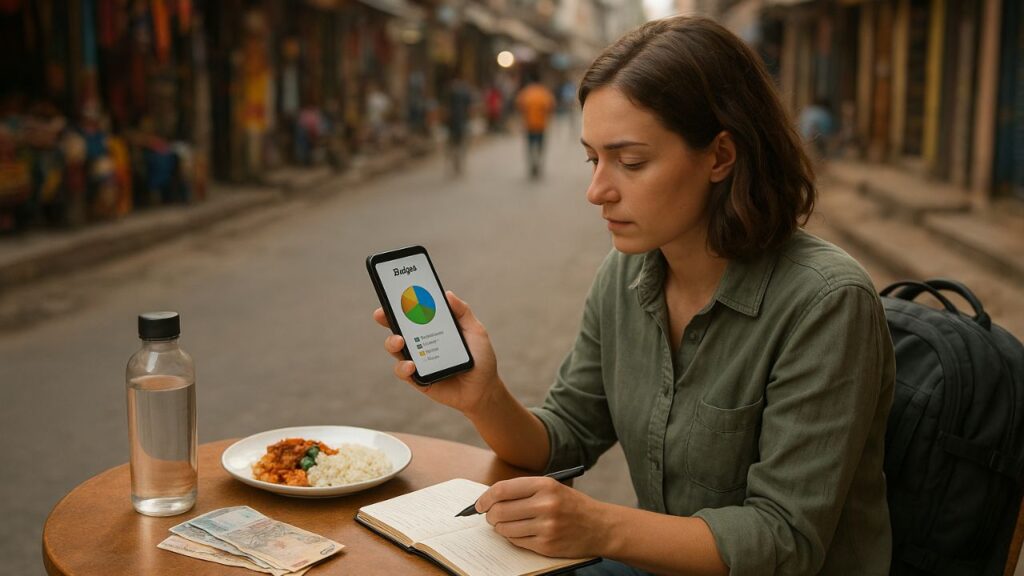
Unexpected costs are the biggest drain on travel enjoyment. The Travel Code promotes frugal spending without restricting experiences.
Set a daily budget
Break your budget into:
- Food
- Transport
- Activities
- Shopping
- Miscellaneous
You can enjoy guilt-free spending while maintaining discipline.
Use local transport
It is more affordable, safe in the majority of nations, and improves everyday living.
Book tours and stays early
Early reservations result in significant cost savings, particularly for popular activities and flights.
Keep emergency cash
Small businesses might choose cash even in nations that accept digital payments. Store emergency funds in your wallet or purse.
4. Digital Travel Code: Stay Smart, Not Sorry
Since we live in a digital age, your gadgets are now considered necessities when traveling.
Back up important files
Save scans of your passport, visa, and travel insurance on cloud storage.
Use secure Wi-Fi
Avoid connecting to unknown networks for banking or payments.
Enable tracking
Turn on “Find My Phone” and similar features for quick recovery if you lose your device.
Keep a power bank
You’ll thank yourself when your phone dies during navigation or ticket checking.
5. Safety Code: Stay Alert, Stay Safe
Travel is fun, but safety should always sit in the background.
Don’t flash valuables
Avoid showing a lot of cash, expensive jewelry, or high-end gadgets in public.
Share your itinerary with a close person
Let someone know where you’re staying and traveling each day.
Avoid unsafe areas
Do a quick Google search or ask locals about areas to avoid, especially at night.
Trust your instincts
If something feels off — leave immediately. Your gut is your best safety alarm.
6. Respect Local Culture and Traditions
Every location has its own traditions. Observing them improves your trip experience and demonstrates respect.
Dress appropriately
In religious places, modest dressing is expected. Carry a scarf or stole if needed.
Learn basic phrases
Hearts can be warmed by a simple “thank you” in the native tongue.
Be polite with locals
When placing an order for meals or asking for directions, a grin goes a long way.
Follow local rules
Respecting the rules enhances your visit, whether they are related to queue etiquette or photography limits.
7. Eat Smart, Eat Safe
Food is a huge part of travel, but be mindful to avoid an upset stomach.
Choose clean places
Look for busy restaurants — high footfall usually means fresh food.
Drink clean water
Carry a refillable bottle. Avoid tap water in places where it’s unsafe.
Experiment slowly
Try new dishes but don’t overload on unfamiliar food in one day.
8. Eco-Travel Code: Travel Without Harming the Planet
Sustainable travel isn’t complicated — it’s just mindful.
Avoid plastic bottles
Refill your bottle instead of buying new ones repeatedly.
Don’t litter
Even if bins aren’t around, carry your trash till you find one.
Respect wildlife
Keep distance, don’t feed animals, and avoid disturbing natural habitats.
Support local businesses
Buy from local shops, use local guides — it helps the community grow.
Also Read About KrispCall A Complete Friendly Guide Everything You Need to Know
9. Capture Moments — But Don’t Miss the Moment
Photos are great, but don’t spend your entire trip behind a camera.
Enjoy before you capture
Take a moment, breathe it in, then take your shot.
Ask before photographing people
Some locals may be uncomfortable.
Back up your pictures daily
Use cloud storage or your laptop.
10. Reflect After You Travel
Once you’re back home, take a moment to look at what you learned.
Note what worked and what didn’t
This helps you plan better next time.
Keep important places saved
Restaurants, hotels, routes — they might help friends or future trips.
Share your experience
Post reviews to help other travelers.
Conclusion
This was our guide on Travel Code Guide
The Travel Code is a way of thinking rather than merely a collection of guidelines. It makes traveling safer, more confident, lighter, and smarter. Every vacation becomes less stressful and more fulfilling when you adhere to these few guidelines. This book keeps you ready for anything, whether you’re traveling to a beach, a mountain trek, or a new city.