

Flatpay Explained
Do you know Flatpay Explained, if yes then this article is for you. We are discussing about it here. Read more.
In today’s fast-moving digital economy, businesses need payment solutions that are fast, secure, and easy to use. Whether you run a retail store, café, salon, restaurant, or online business, smooth payment processing can improve customer experience and increase sales. One payment platform gaining attention in the business world is Flatpay.
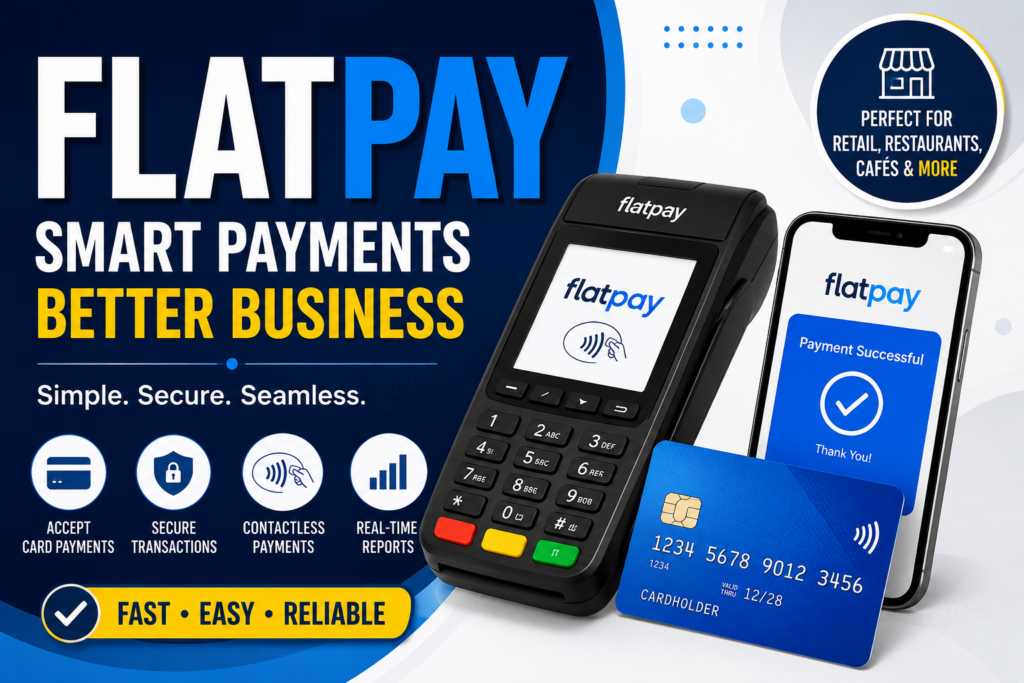
Flatpay offers modern payment solutions designed to simplify transactions for businesses of all sizes. From card machines to digital payment tools, the platform helps merchants manage payments efficiently while keeping costs transparent.
This article explores what Flatpay is, how it works, its features, benefits, pricing approach, pros and cons, and why many businesses are considering it as a reliable payment solution.
What Is Flatpay?
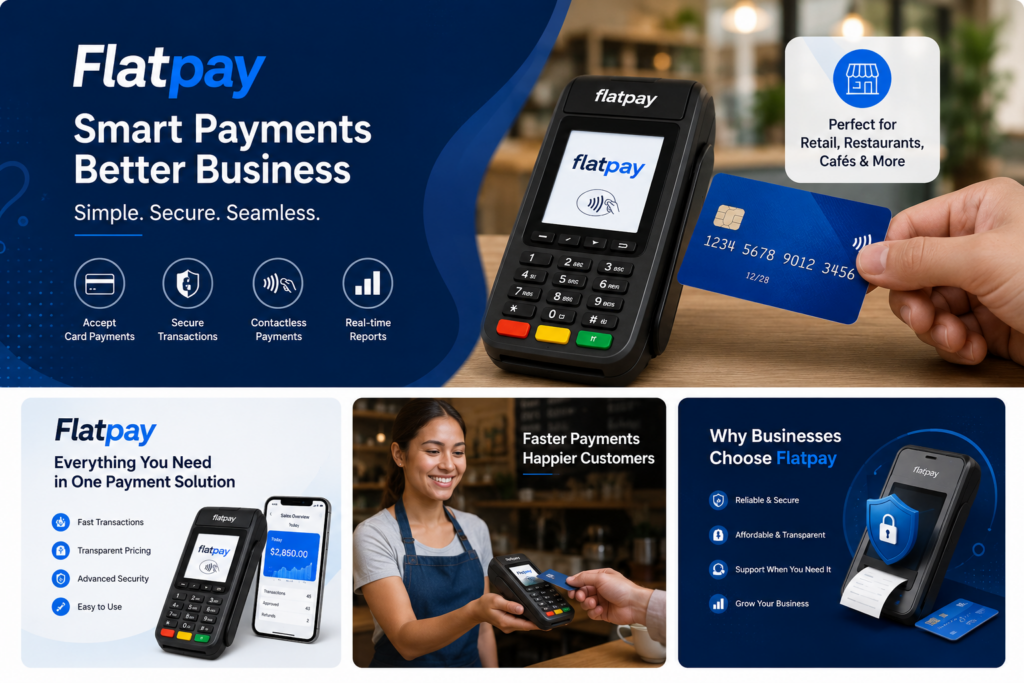
Flatpay is a payment service provider that focuses on offering simple and transparent payment solutions for businesses. The company provides card terminals, payment processing systems, and digital payment tools that allow merchants to accept payments quickly and securely.
The platform is designed to remove unnecessary complexity from payment processing. Instead of confusing pricing models and hidden transaction fees, Flatpay promotes straightforward payment handling for businesses.
Flatpay primarily targets:
- Retail stores
- Restaurants
- Cafés
- Service businesses
- Small and medium enterprises
- Mobile vendors
- E-commerce merchants
As digital payments continue to grow worldwide, platforms like Flatpay are becoming essential for businesses wanting to provide convenient payment experiences.
Why Payment Solutions Matter Today
Modern customers expect flexible payment options. Cash-only businesses often lose customers because many people now prefer:
- Debit cards
- Credit cards
- Mobile wallets
- Contactless payments
- Online transactions
A reliable payment processor helps businesses:
- Improve checkout speed
- Increase customer trust
- Reduce payment errors
- Track sales automatically
- Improve financial management
This is where Flatpay positions itself as a practical and user-friendly solution.
Key Features of Flatpay
1. Easy Card Payments
One of the main features of Flatpay is its ability to process card payments smoothly. Businesses can accept:
- Visa
- Mastercard
- Contactless cards
- Mobile payments
- Digital wallets
The payment terminals are designed for quick and secure transactions.
2. Transparent Pricing
Many business owners dislike hidden transaction fees. Flatpay focuses on a transparent pricing structure, which can help businesses better predict costs.
Clear pricing is important because it allows merchants to calculate expenses accurately without unexpected deductions.
3. Modern Payment Terminals
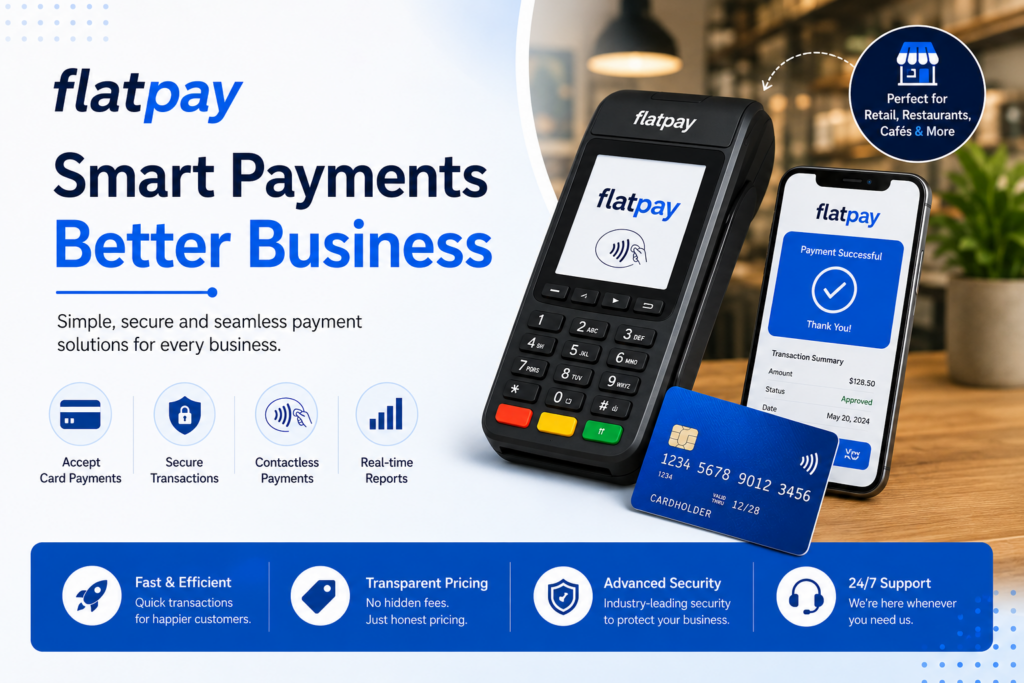
Flatpay offers sleek and modern card machines that support:
- Tap-to-pay
- Chip payments
- PIN verification
- Wireless transactions
These terminals are suitable for both fixed-location stores and mobile businesses.
4. Fast Transactions
Customers appreciate fast checkout experiences. Slow payment systems can frustrate buyers and create long queues.
Flatpay helps reduce waiting times with quick payment authorization and processing.
5. Secure Payment Processing
Security is one of the most important aspects of payment systems. Flatpay uses secure payment technologies to protect customer data and transactions.
Security features often include:
- Encrypted transactions
- Fraud protection
- Secure payment gateways
- Compliance with payment standards
6. User-Friendly Interface
Business owners often prefer simple systems that do not require advanced technical knowledge.
Flatpay focuses on a clean and easy-to-use interface that helps merchants manage transactions without confusion.
7. Digital Reporting and Analytics
Payment systems today are more than transaction processors. Businesses also need insights into sales performance.
Flatpay may provide reporting tools that help merchants:
- Monitor sales
- View transaction history
- Track payment trends
- Manage daily revenue
These analytics can help improve business decisions.
Benefits of Using Flatpay
Simplified Payment Management
Managing payments becomes easier when all transactions are handled through a centralized system.
Flatpay simplifies the process for merchants by reducing payment complexity.
Better Customer Experience
Customers prefer businesses that offer multiple payment options.
Fast and convenient payments can improve customer satisfaction and encourage repeat purchases.
Increased Business Efficiency
Manual cash handling takes time and increases the risk of accounting errors.
Digital payment systems improve operational efficiency and reduce paperwork.
Mobility and Flexibility
Modern businesses are not always tied to physical stores.
Flatpay’s portable payment solutions can benefit:
- Food trucks
- Delivery services
- Pop-up shops
- Mobile service providers
Professional Business Image
Using modern payment systems gives businesses a more professional appearance.
Customers often trust businesses more when they can pay securely with cards or digital wallets.
Flatpay for Small Businesses
Small businesses often struggle with expensive payment processing systems.
Flatpay can be attractive for smaller merchants because it focuses on simplicity and transparent costs.
Small businesses may benefit from:
- Easy setup
- Low complexity
- Modern hardware
- Predictable pricing
- Faster payments
This makes it easier for startups and local businesses to compete in the digital economy.
Flatpay for Restaurants and Cafés
Restaurants and cafés require fast payment systems to keep operations smooth during busy hours.
Flatpay can help food businesses by offering:
- Quick table payments
- Contactless transactions
- Portable payment terminals
- Reliable processing
Fast transactions improve customer flow and reduce delays.
Flatpay for Retail Stores
Retail businesses process many transactions daily.
Flatpay supports efficient checkout experiences that help retailers:
- Reduce waiting lines
- Improve transaction speed
- Accept multiple payment methods
- Simplify sales tracking
Retailers can also benefit from digital sales reporting.
How Flatpay Supports Contactless Payments
Contactless payments have become increasingly popular worldwide.
Customers enjoy the convenience of simply tapping their card or smartphone.
Flatpay supports modern contactless payment methods, including:
- NFC-enabled cards
- Apple Pay
- Google Pay
- Mobile wallets
This helps businesses meet modern consumer expectations.
Importance of Payment Security
Cybersecurity threats continue to grow in the digital payment industry.
Businesses must ensure customer payment information remains protected.
Flatpay emphasizes secure payment handling through encryption and secure processing standards.
Secure systems help:
- Protect customer trust
- Reduce fraud risks
- Prevent data breaches
- Maintain business reputation
Flatpay vs Traditional Payment Systems
Traditional payment systems can sometimes involve:
- Complex contracts
- Hidden charges
- Outdated hardware
- Slow customer support
Modern payment providers like Flatpay focus on:
- Simplicity
- Faster setup
- Transparent pricing
- User-friendly technology
This modern approach appeals to businesses seeking flexibility.
Potential Drawbacks of Flatpay
While Flatpay offers many benefits, businesses should still evaluate their needs carefully.
Some possible considerations include:
Limited Availability
Some payment services operate only in specific regions.
Businesses should confirm whether Flatpay supports their country or business type.
Feature Differences
Different businesses require different tools.
Larger enterprises may need advanced features such as:
- Inventory integration
- Advanced analytics
- Multi-location management
It is important to compare available features before choosing a payment provider.
Transaction Costs
Even transparent pricing models still involve transaction fees.
Businesses should calculate expected monthly costs based on sales volume.
How to Choose the Right Payment Provider
Before selecting any payment solution, businesses should evaluate:
Pricing Structure
Look for:
- Monthly fees
- Transaction fees
- Hidden costs
- Hardware pricing
Ease of Use
The system should be simple for staff and customers.
Customer Support
Reliable support is important if payment issues occur.
Security Standards
Choose providers with strong security and encryption.
Payment Options
Ensure the provider supports:
- Credit cards
- Debit cards
- Mobile payments
- Contactless transactions
Future of Digital Payments
The digital payment industry continues to evolve rapidly.
Future trends include:
- AI-powered fraud detection
- Biometric payments
- Faster mobile transactions
- Cryptocurrency integration
- Cloud-based payment systems
Businesses adopting modern payment platforms today may be better prepared for future payment innovations.
Is Flatpay Worth It?
For many small and medium businesses, Flatpay can be a practical solution for handling modern payments.
The platform focuses on:
- Simplicity
- Speed
- Transparent pricing
- Secure transactions
- Easy payment acceptance
Businesses seeking an uncomplicated payment system may find Flatpay appealing.
However, every business should compare providers based on:
- Features
- Fees
- Hardware
- Regional support
- Customer service
Choosing the right payment processor can significantly impact customer experience and overall business operations.
Conclusion
Digital payments are now an essential part of modern business operations. Customers expect fast, flexible, and secure payment methods wherever they shop.
Flatpay aims to simplify payment processing by offering transparent pricing, secure transactions, and user-friendly technology for businesses.
Whether you run a retail store, café, restaurant, or service-based business, having an efficient payment solution can improve customer satisfaction and operational efficiency.
As cashless payments continue growing worldwide, businesses that invest in reliable payment technology will likely remain more competitive in the evolving marketplace.